Insights
Energy · Europe and Moldova9 September 202616 min read

Europe is moving to green energy

European energy after the renewables boom: what is changing and where Moldova can fit into the new system

The next phase of the energy transition will be defined not by how many MW are built, but by how well they can be managed.

Chiril Gaburici
AuthorChiril Gaburici

Head of Strategic Development & External Relations

Only a few years ago, Europe’s energy transition looked linear: build more solar and wind, reduce fossil fuels and electrify transport, heating and industry.

The picture is now more complex. Renewables supplied 44% of EU electricity generation in the first 16 weeks of 2026. Producing low-cost electricity is no longer enough; it must reach the right place, be stored and used when consumers need it.

In my view, this is where the first phase of Europe’s transition ends and the second begins.

44%EU renewable generation, early 2026
120 GWmature projects at connection-delay risk
1,074.74 MWMoldovan RES capacity, H1 2026
Managed MWthe new source of value

01 · From a generation shortage to a flexibility shortage

Solar has become one of the most affordable sources of new generation. Yet output arrives simultaneously: daytime prices fall, sometimes below zero, while the evening still requires controllable capacity.

The value of renewables increasingly depends on grids, interconnections, demand response and storage. The next phase will therefore be defined by flexibility — storage, intraday trading, hybrid plants and responsive consumers.

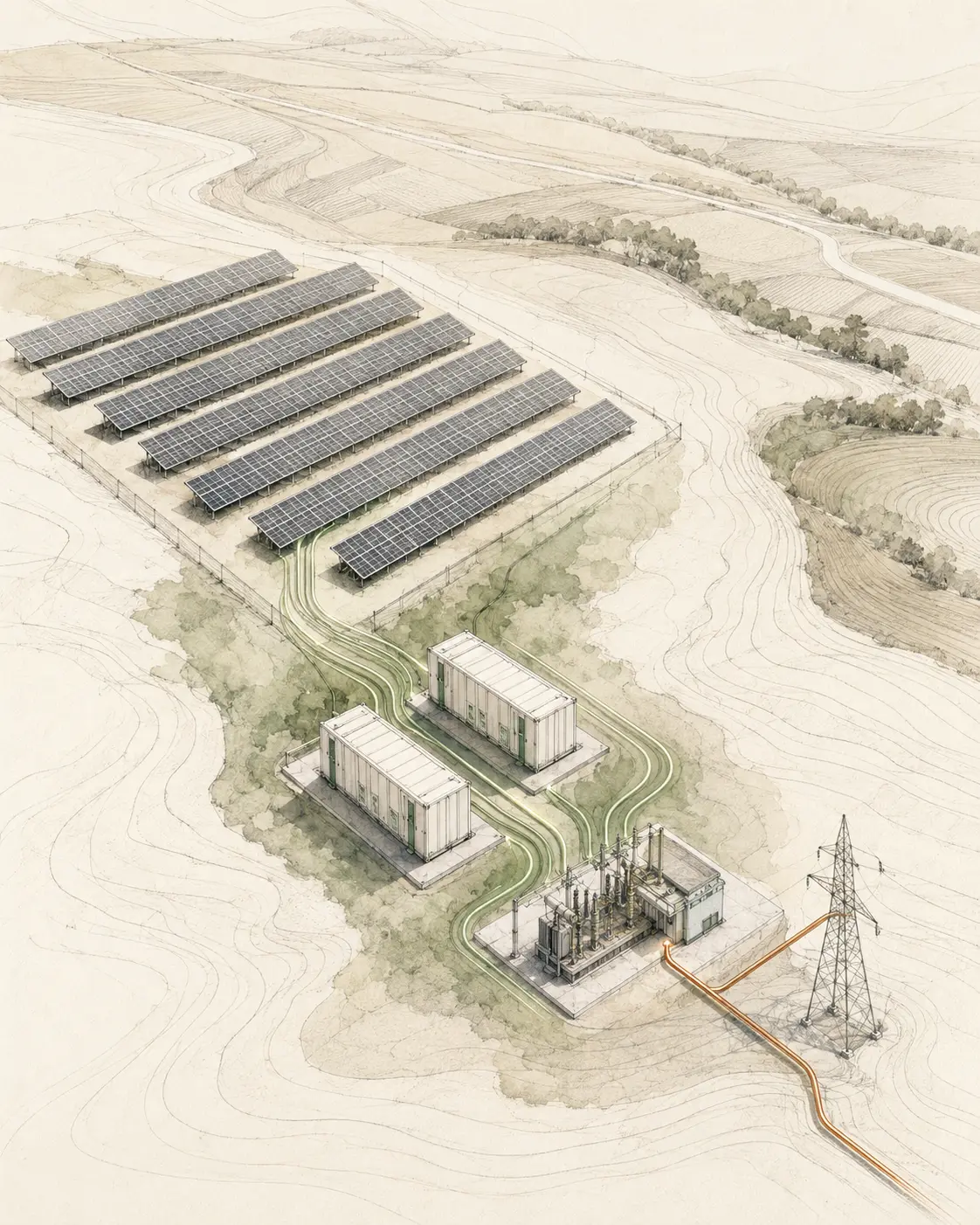
Storage is becoming an infrastructure asset class in its own right.
02 · The grid becomes more valuable than generation

Europe can build a solar or wind plant relatively quickly. Securing a grid connection can be far harder.

By mid-2026, connection queues existed in at least 16 EU countries. Around 120 GW of mature renewable projects risk missing timely grid access by 2030.

Value is moving from equipment to the infrastructure around it: land, connection rights, substations, storage, permits, trading and the end consumer. The most valuable asset may be not a MW of generation, but a MW that can be managed.

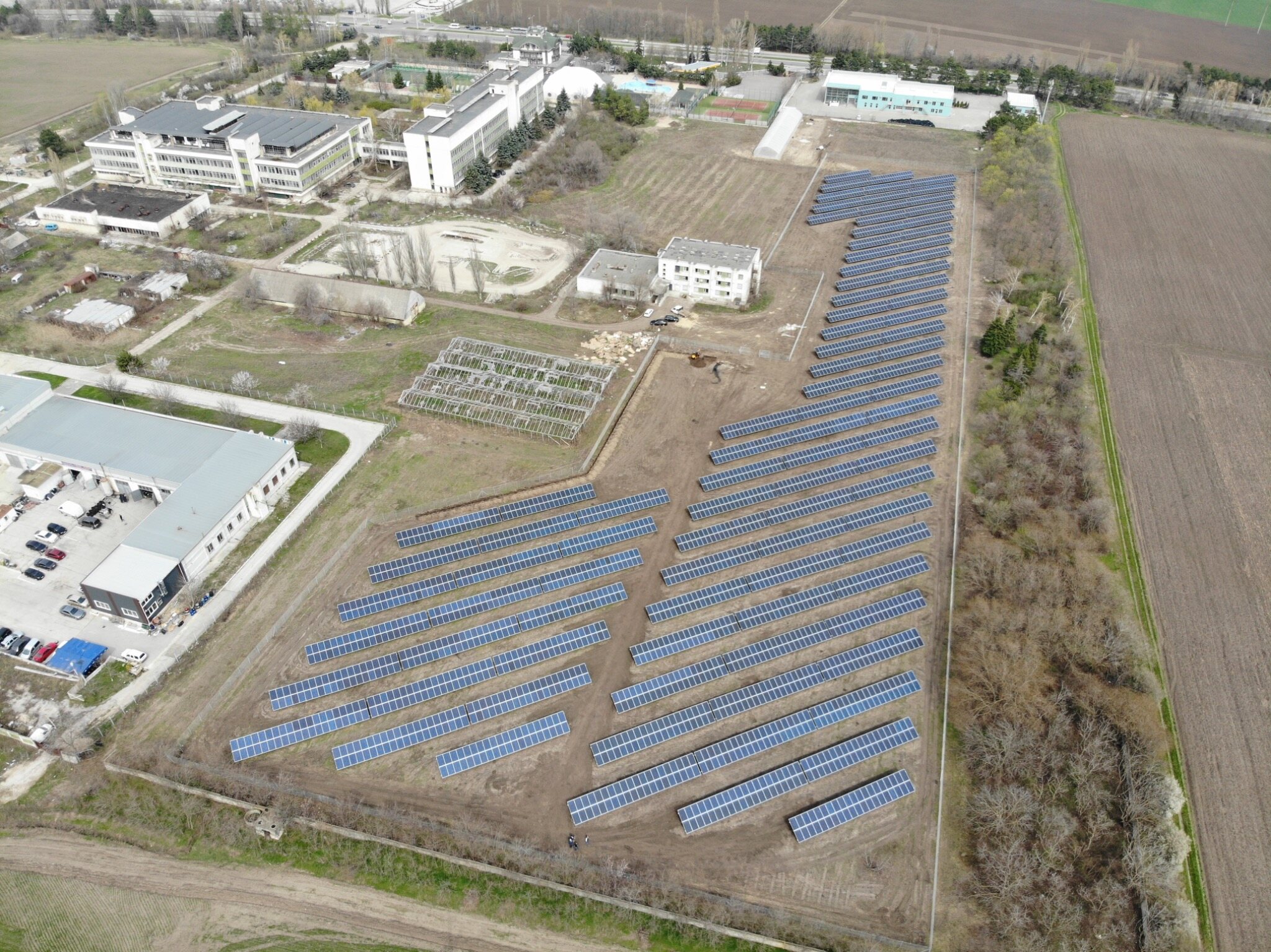
Solar generation is already the foundation of the new energy portfolio.

03 · From a cheap MWh to a managed MWh

The future market is no longer a simple chain from plant to grid to consumer. Solar produces by day, batteries charge in low-price hours, algorithms select the selling moment and industrial users buy through long-term PPAs.

Capacity can also provide balancing and ancillary services. EVs and responsive industrial loads add flexibility, giving one asset several revenue streams.

The build-and-sell-all-to-grid model will remain, but more margin will sit around generation rather than inside it.

04 · What this means for Moldova

Moldova has moved quickly. Installed renewable capacity reached 1,074.74 MW in the first half of 2026 — already significant for a small system.

The country needs more domestic generation, but solar growth without storage, grid reinforcement and new demand can reproduce mature-market problems: cheap daytime surpluses and costly evening imports.

The question is no longer how many more solar MW can be installed, but what energy system Moldova wants to build around them.

Hybrid architecture combines generation, storage, the grid and active management.

05 · Moldova needs a manageable energy system

BESS should become a natural part of major renewable projects, with land, connection, transformers and controls designed for later battery integration.

Moldova also needs PV + BESS projects, deeper intraday and balancing markets, automated trading and more corporate PPAs.

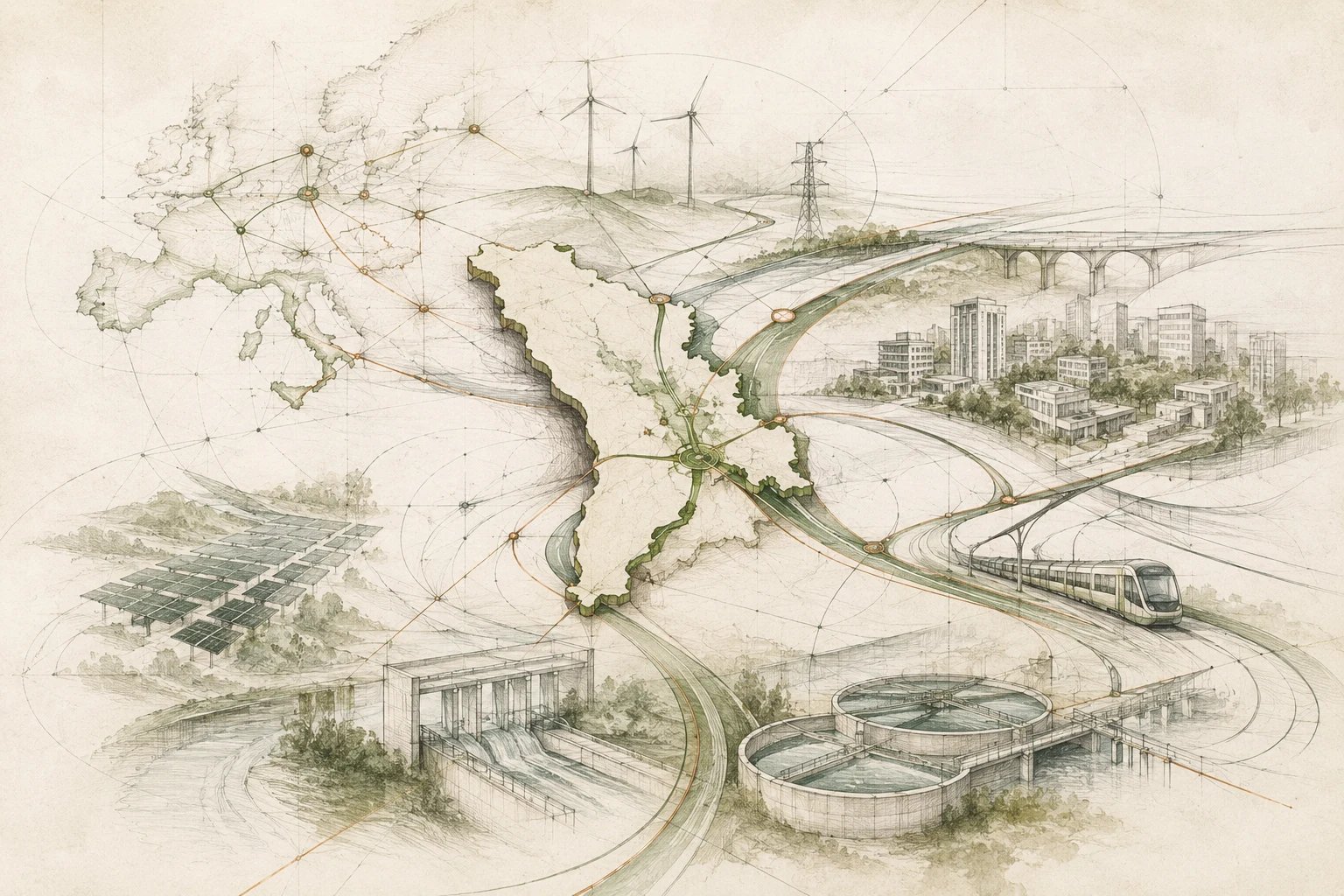
Physical integration with Europe is essential. For a small country, an interconnector acts like a virtual power plant: importing during shortage and exporting during surplus.

06 · Vulnerability is also an investment opportunity

ENTSO-E’s Summer Outlook 2026 identifies Moldova’s adequacy risks: gas constraints, import dependence, weak interconnections, reliance on transmission through Transnistria and exposure to instability in Ukraine’s system.

Each weakness also points to a market to be created: interconnections, BESS, local generation, PPAs, distributed generation and microgrids.

Moldova’s energy vulnerability can become an investment programme for modernisation.

European integration expands the market for manageable energy assets.

07 · Use Europe’s experience rather than copy it

Moldova reaches the new energy market later than larger European countries and can therefore see their mistakes.

It need not build uncontrolled generation first and only later confront congestion, negative prices and curtailment. It can design the whole chain now: Generation + Storage + Grid + Trading + Consumer.

Compatible European rules, interconnections and access to a deeper market increase the value of every manageable asset.

08 · The next phase as I see it

Moldova’s future is not an endless collection of stand-alone solar parks. It is a managed portfolio combining solar, wind, BESS, industrial users, EV charging, balancing and cross-border trade.

A MW becomes an asset that can be shifted through time, directed to the highest-value use, used for balancing and tied to a consumer through a long-term contract.

The defining question will not be who builds the most renewables, but who learns to manage the energy best. Europe has started this transition; Moldova is only beginning — and that is the opportunity.

Chiril Gaburici · Green Spark
The most valuable asset in the new energy system may be not a megawatt of generation, but a megawatt that can be managed.

GS / energy transition

Sources and methodology

Based on official European, ENTSO-E and Moldovan energy-sector sources available on 9 September 2026. Interpretations and conclusions are the author’s.

  1. 01European Environment Agency · Renewable electricity and gas-price volatility
  2. 02European Commission · European grids and connection queues
  3. 03ENTSO-E · Summer Outlook 2026
  4. 04CNED Moldova · Installed renewable capacities
  5. 05Energy Community · Renewables integration in Moldova
Green Spark Insights

This material is analytical and informational. It is not an investment offer, return forecast, or individual legal, tax or financial advice.